
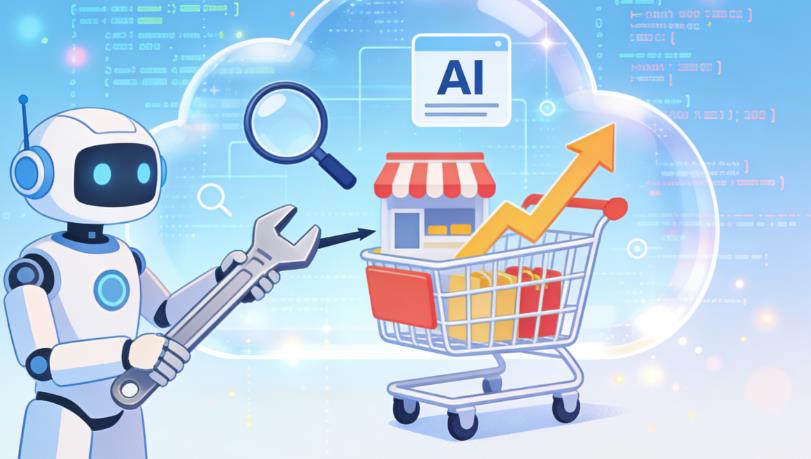
In 2026, the eCommerce landscape has been fundamentally reshaped by AI-driven technologies. From AI-powered search engines to generative content tools, the way brands optimize for visibility online is evolving rapidly. Many merchants ask the same question: “With AI changing everything, is traditional SEO still relevant for eCommerce?” The answer is a resounding yes—but only if you adapt your strategies to the new AI-driven ecosystem. In this article, we’ll explore what still works, what’s obsolete, and how eCommerce businesses can thrive in the AI era.
Understanding the AI-Driven Search Landscape
Modern search engines, particularly Google and Bing, increasingly rely on AI models to understand user intent and deliver highly contextual results. Features such as AI-assisted snippet generation, semantic search, and multimodal results (images, videos, and products) have changed the rules of SEO.
- AI-Powered Content Understanding: Search engines no longer rely solely on keywords. AI models evaluate content for topical relevance, quality, and user satisfaction signals.
- User Intent Over Keywords: The focus has shifted from matching keywords to understanding user intent. For eCommerce, this means your product pages must address the entire buying journey.
- Generative AI and Search Results: AI can now summarize, rewrite, and suggest products directly in search results. Brands that provide structured, high-quality content gain a visibility advantage.
Core SEO Elements That Still Matter
While AI is transforming SEO, certain fundamentals remain critical for eCommerce success:
1. Technical SEO
Technical SEO forms the backbone of any eCommerce site. Without it, even the best content cannot rank. Key areas include:
- Site Speed: Page load times remain crucial, particularly for mobile users. Slow sites lead to higher bounce rates, which negatively impact rankings.
- Mobile Optimization: Google’s mobile-first indexing means your site must offer flawless mobile experiences, including responsive design and intuitive navigation.
- Structured Data Markup: Product schema, reviews, and pricing data help AI-driven search engines understand your offerings and display rich results.
- Crawlability and Indexing: Use XML sitemaps, robots.txt, and canonical tags properly. AI doesn’t eliminate the need for clear site architecture.
2. On-Page Optimization
Even in the AI era, on-page SEO remains highly relevant:
- Title Tags and Meta Descriptions: These still influence CTR in search results. Crafting descriptive, compelling copy is essential.
- Content Quality: Beyond keyword density, AI evaluates content relevance, coherence, and completeness. Include detailed product descriptions, FAQs, and buying guides.
- User Engagement Signals: Time on page, click-through rate (CTR), and low bounce rates influence rankings. Engaging content that anticipates questions improves these metrics.
3. Keyword Strategy in the AI Era
Keyword research is no longer about exact matches. Modern strategies include:
- Semantic Keywords: Focus on clusters of related terms that capture search intent.
- Long-Tail Queries: AI favors content that answers specific user questions, making long-tail targeting highly effective.
- Conversational Search: Voice assistants and chatbots are increasing the prevalence of natural-language searches. Optimize for phrases users speak, not just type.
4. Backlinks and E-A-T Signals
Authority and trust remain critical ranking factors:
- High-Quality Backlinks: AI can evaluate the relevance and trustworthiness of linking domains. Focus on industry-relevant, authoritative sources.
- Expertise, Authoritativeness, Trustworthiness (E-A-T): Ensure your content demonstrates credibility—author bios, reviews, and user testimonials all reinforce trust.
- Local SEO for International Sellers: For cross-border eCommerce, local backlinks and region-specific content enhance authority in target markets.
Content Strategies for eCommerce in the AI Era
AI has changed how content is created, indexed, and evaluated. For eCommerce stores, content must do more than inform—it must convert.
Product Pages
- Comprehensive Descriptions: Include specifications, benefits, usage instructions, and high-quality images.
- Rich Media Integration: Videos, 360-degree views, and interactive guides improve engagement and user satisfaction.
- AI-Friendly Structure: Use clear headings, bullet points, and schema markup to make content machine-readable.
Category Pages
- Topical Authority: Create in-depth guides and comparisons that position your store as an authority in the category.
- Internal Linking: Link to relevant products and subcategories to distribute link equity and improve crawlability.
- AI-Powered Personalization: Dynamic content that adapts to user behavior increases dwell time and conversion rates.
Blog and Informational Content
- Answer Buyer Questions: Use content to solve real problems, from “how to choose a running shoe” to “care tips for luxury handbags.”
- Integrate Keywords Naturally: Avoid over-optimization. Focus on topics, not just terms.
- Leverage AI for Idea Generation: Tools like ChatGPT can help identify trending topics, but human oversight ensures relevance and accuracy.
Voice Search and AI Assistants
With the proliferation of smart speakers and AI assistants, optimizing for voice search is increasingly relevant:
- Conversational Keywords: Optimize for questions, not just nouns (“What’s the best running shoe for flat feet?”).
- Featured Snippets: Structure content to answer queries directly. AI assistants often pull these snippets for spoken responses.
- Local Voice Search: If targeting specific regions, include local terms and phrases for nearby searches.
User Experience Signals and SEO
AI search engines increasingly use user experience metrics as ranking signals:
- Click-Through Rate (CTR): Attractive titles, meta descriptions, and structured data improve clicks.
- Dwell Time: Engaging content that keeps users on your site signals value.
- Conversion Metrics: While not directly ranking factors, high conversion rates correlate with engagement and repeat traffic.
AI-Generated Content: Risks and Rewards
Many eCommerce businesses are tempted to use AI to generate product descriptions, blog posts, or even category pages. Here’s what you should know:
- Quality Over Quantity: AI content can help scale, but low-quality outputs are penalized.
- Human Oversight: Always review AI-generated content for accuracy, clarity, and brand voice.
- Duplicate Content Risks: Avoid duplicating manufacturer descriptions wholesale. Rewrite to create unique content that resonates with users.
International SEO for Cross-Border eCommerce
For sellers targeting the U.S., Europe, and beyond, international SEO is crucial:
- Hreflang Tags: Signal to search engines which language and region your page targets.
- Localized Content: Tailor descriptions, blog posts, and offers to local cultures and search habits.
- Currency and Payment Options: Pages that match local expectations improve UX and indirectly boost SEO.
Tracking SEO Performance in an AI World
Measuring SEO effectiveness has become more sophisticated:
- AI Analytics Tools: Platforms now provide AI-driven insights on content gaps, keyword opportunities, and competitor strategies.
- User Behavior Tracking: Heatmaps, scroll depth, and engagement metrics reveal how visitors interact with content.
- Revenue Attribution: For eCommerce, SEO is ultimately about sales. Connect organic traffic to conversions using tools like Google Analytics 4 or Shopify Analytics.
Future-Proofing Your SEO Strategy
As AI continues to evolve, eCommerce SEO strategies must remain adaptive:
- Focus on Intent and Value: Content must answer user questions and guide purchasing decisions.
- Invest in Technical Excellence: Fast, secure, and mobile-friendly sites will always be rewarded.
- Leverage AI Wisely: Use AI for research, optimization, and scaling content—but maintain human oversight.
- Prioritize Brand Authority: Trust and authority will continue to differentiate successful brands from competitors.
The AI era has transformed eCommerce SEO, but it has not eliminated its core principles. Technical SEO, quality content, user experience, and authority remain critical. The difference now is that strategies must account for AI-driven search behavior, voice queries, and semantic understanding. Brands that adapt, focusing on relevance, engagement, and trust, will not only survive but thrive in the AI-powered search landscape.
By blending traditional SEO best practices with AI-informed strategies, eCommerce businesses can future-proof their digital presence, maximize visibility, and drive meaningful conversions in 2026 and beyond.

Leave a Reply