In today’s highly competitive eCommerce landscape, having a great product is no longer enough. Consumers in the US and European markets are exposed to thousands of digital storefronts daily, making attention the most valuable currency. The difference between a thriving online business and one that struggles often comes down to a deeper, less visible factor: store design psychology.
Understanding how design influences behavior is not just a creative exercise—it is a core component of conversion rate optimization (CRO) and a critical pillar of any effective digital marketing strategy. From layout and color schemes to product presentation and trust signals, every detail of your store either nudges the customer toward a purchase or pushes them away.
This article explores the psychological principles behind high-performing store designs and explains what truly makes people buy—especially in Western markets where consumer expectations are constantly evolving.
The Psychology Behind Buying Decisions
Before diving into design elements, it’s important to understand how people make purchasing decisions.
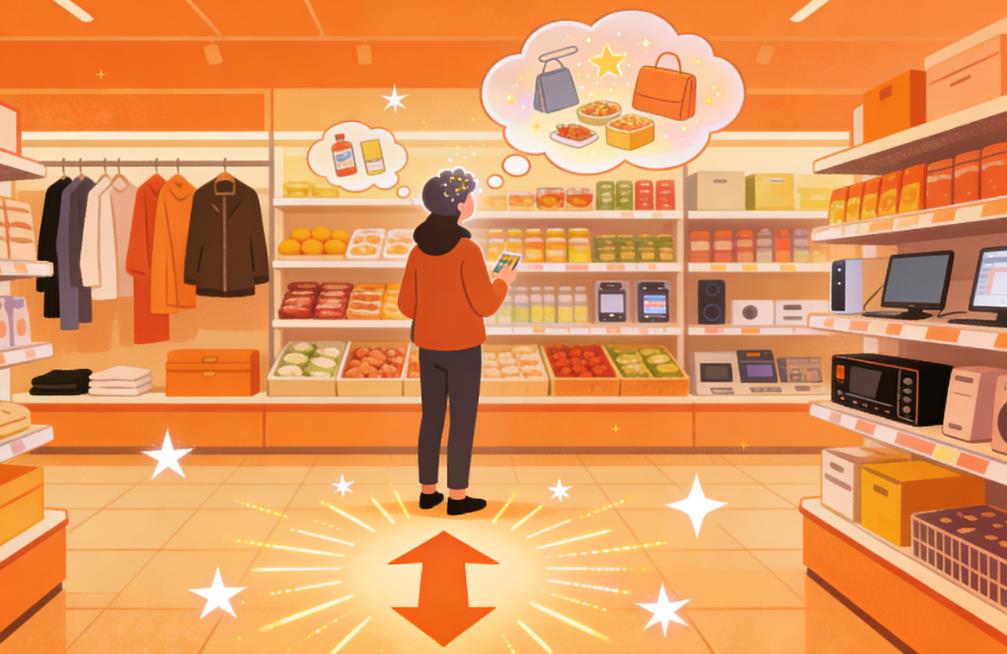
Research in behavioral economics shows that most buying decisions are not purely rational. Instead, they are driven by a combination of emotion, cognitive bias, and subconscious triggers. Even in high-consideration purchases, emotion often leads, while logic follows to justify the decision.
This has major implications for eCommerce store design:
- Customers don’t just evaluate your product—they experience your store
- First impressions are formed in milliseconds
- Trust is built (or lost) almost instantly
For online businesses, this means your user experience (UX design) is not just a technical factor—it is psychological persuasion in action.
First Impressions: The 3-Second Rule
Western consumers are particularly impatient. Studies consistently show that users decide whether to stay on a website within 2–3 seconds. This makes your homepage and landing pages critical conversion assets.
Key Elements That Shape First Impressions
1. Visual Hierarchy
Your layout should guide the user’s eyes naturally:
- Headlines first
- Value proposition second
- Call-to-action (CTA) third
A cluttered or confusing layout increases cognitive load and leads to higher bounce rates.
2. Above-the-Fold Clarity
The top section of your page must clearly answer:
- What is this product?
- Who is it for?
- Why should I care?
High-performing stores often include:
- A strong headline
- A benefit-driven subheadline
- A clear CTA button (e.g., “Shop Now”, “Get Yours Today”)
This is especially important for paid traffic campaigns, where users arrive with low initial trust.
Color Psychology and Emotional Triggers
Color is one of the most powerful tools in store design psychology. It directly influences mood, perception, and behavior.
Common Color Associations in Western Markets
- Blue: Trust, reliability (used by financial services and SaaS platforms)
- Red: Urgency, excitement (common in clearance sales)
- Green: Health, sustainability (popular in eco-friendly brands)
- Black: Luxury, exclusivity (used by premium brands)
However, the key is not just choosing the “right” color—but using it strategically.
CTA Button Optimization
Your call-to-action buttons should:
- Stand out from the background
- Use contrasting colors
- Include action-oriented language
For example:
- “Add to Cart” vs. “Get Yours Now”
- “Subscribe” vs. “Start Saving Today”
Small changes in CTA design can significantly impact conversion rates, making this a high-impact area for A/B testing.
The Power of Simplicity: Cognitive Load Theory
Modern consumers are overwhelmed with choices. A complex or cluttered store design increases cognitive load, making it harder for users to make decisions.
Why Simplicity Converts
When users don’t have to think, they’re more likely to act.
Effective stores:
- Use clean layouts
- Limit the number of choices per page
- Highlight one primary action
This principle is especially important for mobile commerce, where screen space is limited and attention spans are shorter.
Social Proof: The Psychology of Trust
Trust is the foundation of any purchase decision—especially online, where customers cannot physically interact with products.
Types of Social Proof That Increase Conversions
1. Customer Reviews and Ratings
Displaying verified reviews builds credibility and reduces perceived risk.
2. User-Generated Content (UGC)
Photos and videos from real customers provide authenticity that polished brand content cannot match.
3. Testimonials
Detailed testimonials help potential buyers relate to existing customers.
4. Influencer Endorsements
Strategic collaborations with influencers can boost trust and brand awareness.
These elements are essential for improving customer acquisition cost (CAC) efficiency, as they increase conversion without increasing ad spend.
Scarcity and Urgency: Triggering Action
Scarcity is one of the most powerful psychological triggers in marketing.
Why It Works
People are wired to avoid loss more strongly than they seek gain—a concept known as loss aversion.
Effective Scarcity Tactics
- “Only 5 items left in stock”
- Limited-time discounts
- Countdown timers
However, Western consumers are increasingly skeptical. Fake urgency can damage trust, so authenticity is critical.
The Role of Product Presentation
Your product pages are where decisions happen. Poor presentation can kill conversions—even for great products.
Key Elements of High-Converting Product Pages
1. High-Quality Visuals
- Multiple angles
- Zoom functionality
- Lifestyle images
2. Clear Product Descriptions
Focus on benefits, not just features.
Instead of:
- “Made of stainless steel”
Say:
- “Built to last with rust-resistant stainless steel for long-term durability”
3. Video Content
Product videos can significantly improve conversion rates by:
- Demonstrating functionality
- Reducing uncertainty
This is particularly effective for higher-ticket items.
Trust Signals and Risk Reduction
Western consumers are highly sensitive to risk—especially when purchasing from unfamiliar brands.
Essential Trust Signals
- SSL certificates and secure checkout badges
- Clear return and refund policies
- Shipping information
- Contact details and customer support options
Including these elements improves both user trust and SEO performance, as search engines favor trustworthy websites.
Personalization and Customer Experience
Personalization is no longer optional—it’s expected.
Modern eCommerce platforms use data to tailor the shopping experience:
- Product recommendations
- Personalized email campaigns
- Dynamic content based on user behavior
Why Personalization Works
It reduces friction and makes the shopping experience feel relevant.
Examples:
- “Recommended for you”
- “Customers also bought”
- “Recently viewed items”
These features increase average order value (AOV) and improve overall customer lifetime value (LTV).
Mobile-First Design: A Non-Negotiable Standard
In Western markets, mobile traffic often exceeds 60–70% of total visits.
A poor mobile experience can destroy your conversion rate.
Mobile Optimization Best Practices
- Fast loading speeds
- Thumb-friendly navigation
- Simplified checkout process
- Minimal pop-ups
Google also prioritizes mobile-friendly websites in search rankings, making this essential for SEO and organic traffic growth.
Checkout Optimization: Reducing Friction
Even after a customer decides to buy, poor checkout design can lead to cart abandonment.
Common Checkout Mistakes
- Forced account creation
- Too many form fields
- Lack of payment options
High-Converting Checkout Features
- Guest checkout
- Autofill capabilities
- Multiple payment methods (credit cards, PayPal, etc.)
- Transparent pricing (no hidden fees)
Optimizing checkout is one of the fastest ways to improve eCommerce conversion rates.
The Role of Branding and Consistency
Consistency builds trust and recognition.
Your store design should align with your brand identity across:
- Website
- Social media
- Email marketing
Strong branding:
- Makes your store memorable
- Differentiates you from competitors
- Builds emotional connections with customers
This is especially important in saturated markets where products are often similar.
Behavioral Design: Nudging Customers Toward Action
Behavioral design uses subtle cues to influence decision-making.
Examples of Effective Nudges
- Highlighting best-selling products
- Using “Most Popular” labels
- Displaying “Only X left” messages
- Showing real-time purchase notifications
These tactics leverage herd behavior and reduce decision anxiety.
Page Speed and Performance Psychology
Speed is not just a technical factor—it’s psychological.
A slow website creates frustration and reduces trust.
Impact of Speed on Conversions
- A 1-second delay can significantly reduce conversions
- Faster sites feel more reliable and professional
Optimizing speed is crucial for both user experience and search engine rankings.
Data-Driven Design: Testing What Works
The most successful eCommerce businesses don’t rely on assumptions—they test everything.
A/B Testing Areas
- Headlines
- CTA buttons
- Product images
- Pricing strategies
Using analytics tools allows you to:
- Identify drop-off points
- Improve funnel performance
- Maximize ROI on marketing spend
This is a core component of any advanced conversion rate optimization strategy.
Cultural Considerations in Western Markets
Understanding cultural nuances is essential when targeting US and European consumers.
Key Differences to Consider
- Preference for minimalistic design
- High expectations for transparency
- Strong emphasis on privacy and data protection
European users, for example, are particularly sensitive to GDPR compliance, while US consumers prioritize convenience and speed.
Adapting your store design to these expectations can significantly improve performance.
Design Is Not Decoration—It’s Strategy
Store design is often misunderstood as a purely aesthetic discipline. In reality, it is one of the most powerful tools in your eCommerce growth strategy.
Every element of your store—from color choices to checkout flow—affects how customers think, feel, and act.
To succeed in competitive Western markets, you must:
- Understand customer psychology
- Optimize for user experience
- Build trust through design
- Continuously test and improve
Ultimately, the stores that win are not just visually appealing—they are psychologically optimized to convert.
If you approach your store design with this mindset, you won’t just attract visitors—you’ll turn them into loyal customers.

Leave a Reply